
At FEM’s Congress on 8-9 October, the European Materials Handling Industry from across Europe gathered in Paris to exchange views, share experiences and strengthen cooperation across the sector.
During this gathering, the next President of FEM, Ernesto Domínguez, was announced, alongside the Vice President and Board members.
Ernesto has been an active member of FEM and the Board since 2020 and now steps into this leading role for the next two years, until 2028. As he begins his mandate, this is the perfect opportunity to get to know him better and hear about his vision for FEM and the materials handling sector.
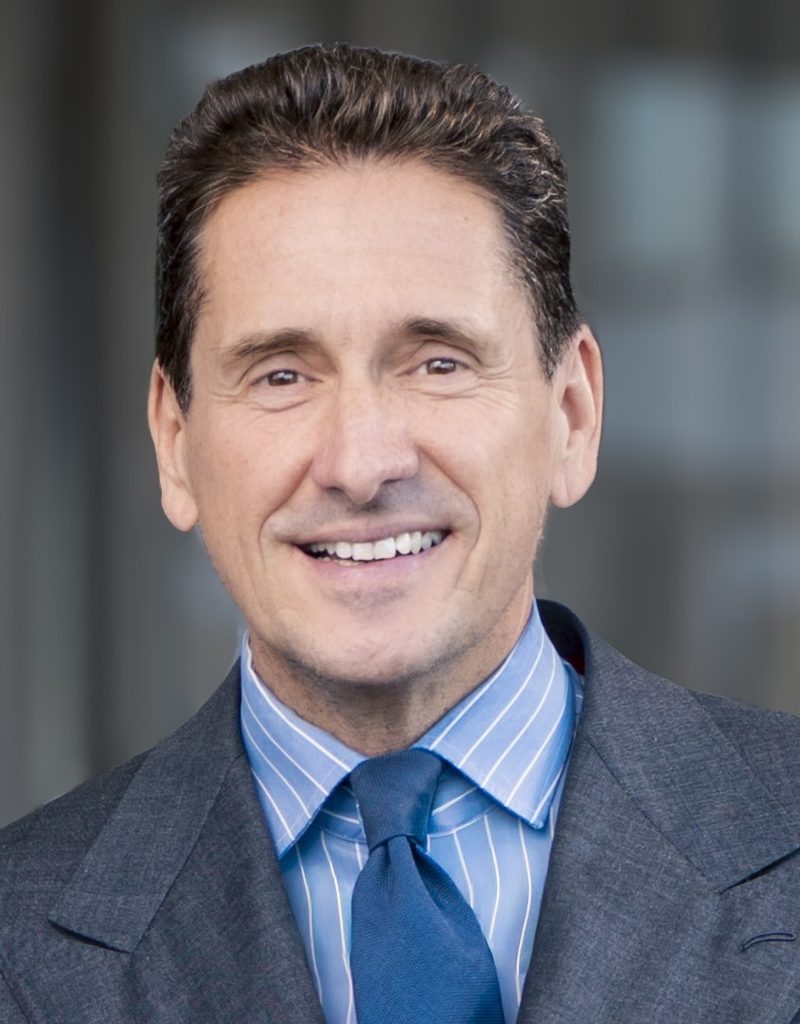
You are FEM’s new President. Congratulations! What inspired you to take up this position?
What inspired me to take on this position is the importance of the role FEM plays for both our industry and Europe. Since 1953, FEM has been the voice of European material handling manufacturers, and today that voice is more important than ever as we work to strengthen Europe’s competitiveness in an increasingly challenging global environment.
Having worked closely with FEM over the past five years, I have seen first-hand the value it creates and have been inspired by the leadership of my predecessor. I am excited to build on that foundation together with the Board and our members.
We move and lift goods, we store them, and we enable them to flow through supply chains. But our sector does much more than handle materials. We support the daily lives of millions of people. The pandemic reminded us just how essential we are in keeping medicines, food and other critical supplies moving.
I believe in the mission of our industry, and I am proud to help represent an industry that is so fundamental to Europe’s economy and society.
Please tell us about yourself.
I am Spanish by origin and have spent more than three decades working in the logistics and material handling industry. I studied law and business administration and completed a PhD at the University of Barcelona and a MBA at ESADE, but most of my career has been spent learning from people across our industry and understanding how important our sector is to everyday life.
My work has taken me across Europe, allowing me to live and work in Spain, France, Sweden and now Italy. These experiences have given me a strong belief in the value of European collaboration and theimportance of bringing different perspectives together.
Since 2020, I have served as President and CEO of Toyota Material Handling Europe. I see myself first and foremost as someone who enjoys working with people and helping organisations grow, innovate and create value for customers. Those same principles are what I hope to contribute as President of FEM.
How does FEM help to achieve the industry goals?
FEM helps us achieve our goals by giving our industry a strong collective voice. While companies compete in the marketplace, we also share many common interests, from competitiveness and innovation to regulation and skills development. FEM provides a platform where we can learn from each other, exchange ideas and work together on the issues that matter most to our industry’s future.
As a sector, we are a significant force in the European economy, employing nearly 300,000 people and generating around €62 billion in annual turnover. To remain globally competitive, we need both collaboration within the industry and constructive dialogue with policymakers.
FEM serves as that vital link. It helps translate the practical realities of our businesses into insights that European institutions can use when shaping policy. By bringing manufacturers together around shared priorities, FEM enables us to achieve far more collectively than we ever could individually.
What do you see as the biggest challenge and opportunity for the materials handling sector in Europe today?
The material handling industry sits at the heart of modern supply chains, which are becoming more important than ever.
Our biggest challenge is the increasing competitive pressure facing European manufacturers. We operate in a global market where price pressure is intensifying and where we often compete under different conditions than companies in other regions of the world. Some voices speak of dumping strategies from third countries.
To remain successful, we need to continue innovating while ensuring that Europe remains an attractive place to manufacture, invest and grow. European companies are already leaders in many areas, and I believe we have the expertise and innovation capacity to remain at the forefront of the industry.
So, the challenge is European competitiveness; and the opportunity is leadership. Our task is to ensure that Europe remains a global leader in material handling for decades to come.
As President of FEM what are the key areas that you would like to tackle during your mandate? What are your priorities?
My priorities are clear: strengthen FEM’s influence, support European competitiveness and promote sustainable long-term growth. First, I want FEM to be an even stronger partner for European institutions, ensuring that the voice of our industry is heard early in the policymaking process.
Second, while maintaining Europe’s climate ambitions, we need a regulatory framework that is predictable, coherent and proportionate, enabling companies to innovate and invest with confidence.
Third, I believe we have a responsibility to future generations. We must continue to grow our industry in a responsible, pragmatic and efficient way, ensuring that competitiveness and sustainability go hand in hand.
Our objective should be simple: a strong European industry that can compete globally while creating lasting value for society.
Europe should not lower its climate ambitions. The challenge is to achieve those ambitions through policies that are predictable, coherent and proportionate, enabling industry to remain competitive while continuing to innovate.
In addition to what I have said before, we would like to push for the development of the newly created FEM Autonomous Intralogistic Vehicles (AIV) subgroup. This is a growing market and needs reliable statistics (instead of estimates) and reasonable technical standardisation.
***
Check out a recent interview with The Gazette EU where Ernesto shares his thoughts on CBAM costs, fair competition and a predictable investment framework for European manufacturing.